
John Zurn
Educational Author- School Consultant
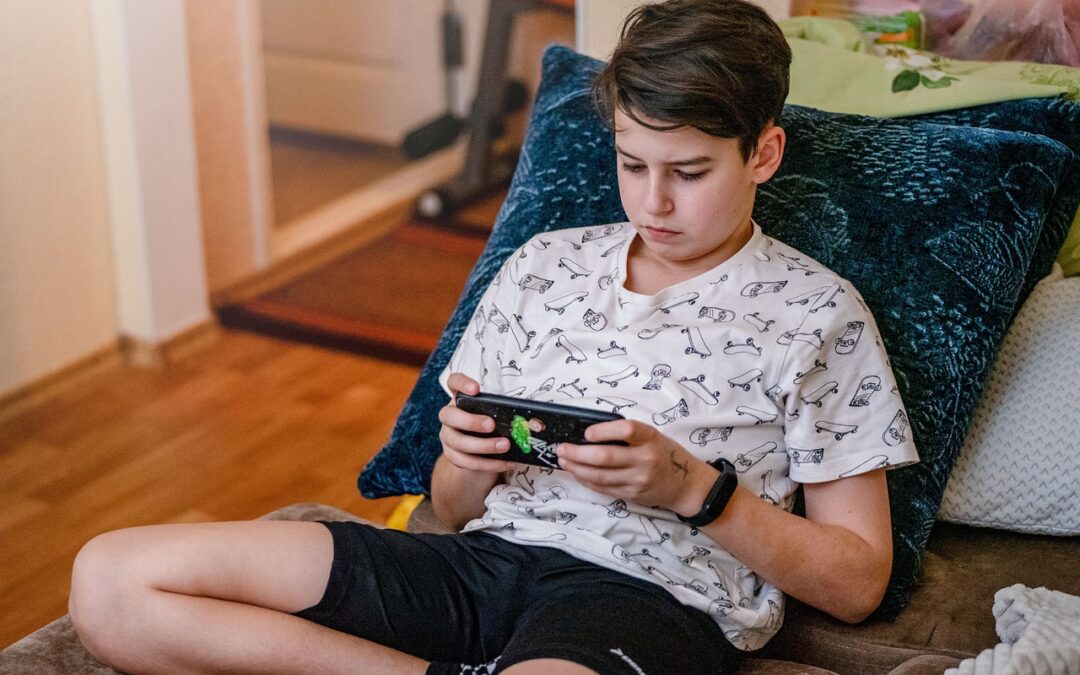
Jonathan Haidt thoughtfully dissects the issues surrounding technology and children in his book, The Anxious Generation. He pinpoints a problem that began with children coming of age (from 2 to 18) after the introduction of the Apple iPhone in 2007. Children suddenly had access to portable computers that were always available, always on, and always collecting information about even the youngest of consumers. Our primary social engagements moved abruptly from face to face, to face to computer. Social networks are now teaching children the ways of life- what is cool and fashionable, including pornography, Art of War games, and other programs meant to ensure a level of addiction, and thus, future customers. The images of the eight-year-old glued to his cell phone for hours at a sitting are easy for most of us to imagine. Haidt goes on to articulate the challenges of leaving educational principles open to companies whose bottom line is corporate profits, not the next generation of leaders.
This generation of students has seen a significant increase in depression, in teen suicide rates, in withdrawal from public spaces, and subsequent increases in specific measures of generational anxiety. The problem was amplified by Stranger/Danger themes that had been developing in the decades prior, leaving children with few opportunities for free play with peers to learn the basics of self-confidence and successful community engagement. Since then, the numbers for childhood time online have increased dramatically. Coupled with the increasing fear of parents to allow children to go off on their own, we have created a culture in which children no longer play with each other to learn the norms of life, but rather become more and more consumed by increasingly addictive social networks.
While his book describes a discouraging view of the “Anxious Generation”, there is an overall optimistic view of where we can go if we act. Haidt calls for schools to significantly limit cell phone use during the school day and for parents to band together to reduce the pressure of giving in to their children’s pleas of “Everyone else has a cell phone, why not me?”. Haidt’s recommendations are not fanatical, but serve as a welcome middle ground in the battle for our children’s attentions. I found this to be a very insightful and practical guide to re-establishing parent and educators roles as our children’s best influencers.
We welcome you to the conversation. Please let us know that you care by liking comments, forwarding posts, or joining in our dialogue at johnzurn.com.
From our first posting:
“As parents and teachers, we need to reclaim our traditional role as influencers of our children – not by shouting louder than the influencers our children discover online, but by stressing ideas that are more important than fancy shoes and snappy TikTok tunes. We need to emphasize traits that everyone agrees children will honor. We need to convince our children that the people who are most important to them have a better understanding of what it takes to be successful in life.”
#charactereducation #successtraits #parentingtips #homeschooling #teachertips